
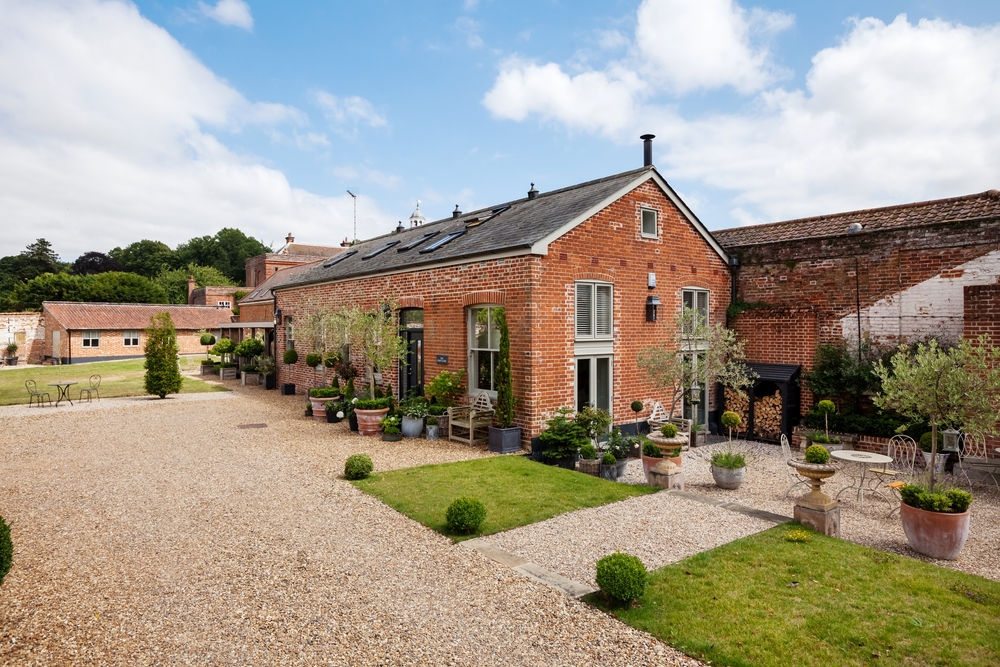
Older homes tend to carry a kind of proportion and presence that newer construction is still trying to recreate, with details that feel collected over time rather than chosen all at once. The real challenge is helping these homes work for the way people live now, since a kitchen might need better flow, a formal room might need a clearer purpose, and storage that felt generous decades ago can feel tight by today’s standards.
For homeowners working with interior designers in Chicago, that usually means helping the home feel more refined and personal for this stage of life, while keeping the qualities that gave it character in the first place.
How do you update an older home without losing its character?
Updating an older home well starts with understanding what gives it character before deciding what should change.
In practice, that might mean preserving original millwork, keeping a beautiful fireplace surround intact, or simply letting an elegant staircase remain the quiet centerpiece of the home. These are the details that give many older properties their sense of permanence.
At the same time, not every original feature deserves to stay untouched. Some layouts were built for a different way of living, and closed-off rooms or dim lighting can make even a gracious home harder to enjoy. Good design separates the charm worth keeping from the inconvenience worth fixing.
1. Start with what still feels worth keeping
Before removing walls or choosing finishes, it helps to look at what already gives the home its identity: a rhythm to the windows, a particular wood tone, a formal entry that sets the tone, or a library, dining room, or sitting room with real architectural value.
Those details can become the foundation for everything that follows rather than obstacles to work around. When the character is strong, new materials can respond with confidence, without needing to mimic the past exactly. They just need to belong.
2. Know where the home is holding you back
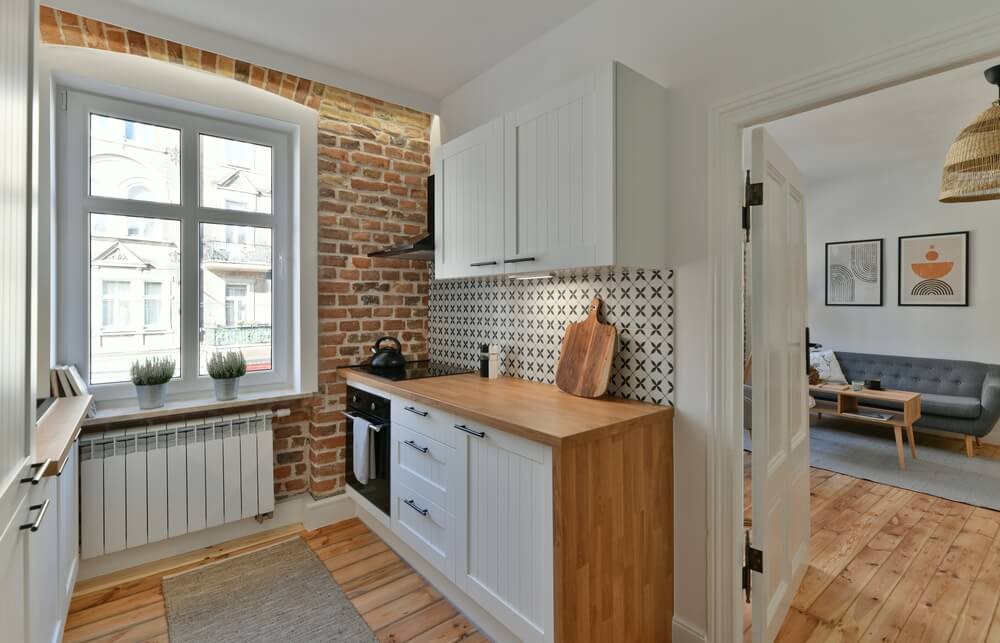
An older home can be beautiful and still not work for the household it serves. For some homeowners, the kitchen might feel too separate from the rest of the house, the primary suite might lack the comfort they expect, or there may be no real mudroom, pantry, laundry room.
For example, if entertaining is part of the way you live, it helps to think through how the home supports the way you host before deciding which rooms need the most attention. None of this is a small inconvenience when a home needs to support a full, busy life.
3. Create one clear direction before making design choices
It’s easy for older homes to feel disjointed when each room gets renovated on its own. A bathroom gets updated one year, the kitchen takes on a different style the next, and a few rooms pick up new furnishings along the way.
Over time, the home can look improved without feeling cohesive, which is why it helps to begin with one clear renovation vision before making individual design decisions.
4. Bring in modern function quietly
The best updates tend to make daily life easier without calling much attention to themselves. Sometimes it’s simply better lighting, more useful cabinetry, updated baths, or furnishings that make a formal space feel inviting again.
None of that has to feel like a compromise. In a well-designed older home, the practical changes can feel just as elegant and intentional as everything else.
5. Think about the whole home, even if the work happens in phases
Many high-end renovations happen over several years, and that works well as long as the full vision gets established early. Without that larger plan, each phase can begin to feel separate. Materials shift, finishes stop matching, and new rooms can end up aging differently from the rest of the house.
When a project needs that kind of coordination, a turnkey design process can help every phase stay connected from concept through installation, especially in older homes, where a change in one room often changes how the spaces around it feel.
Where can I find reliable interior designers in Chicago for an older home?
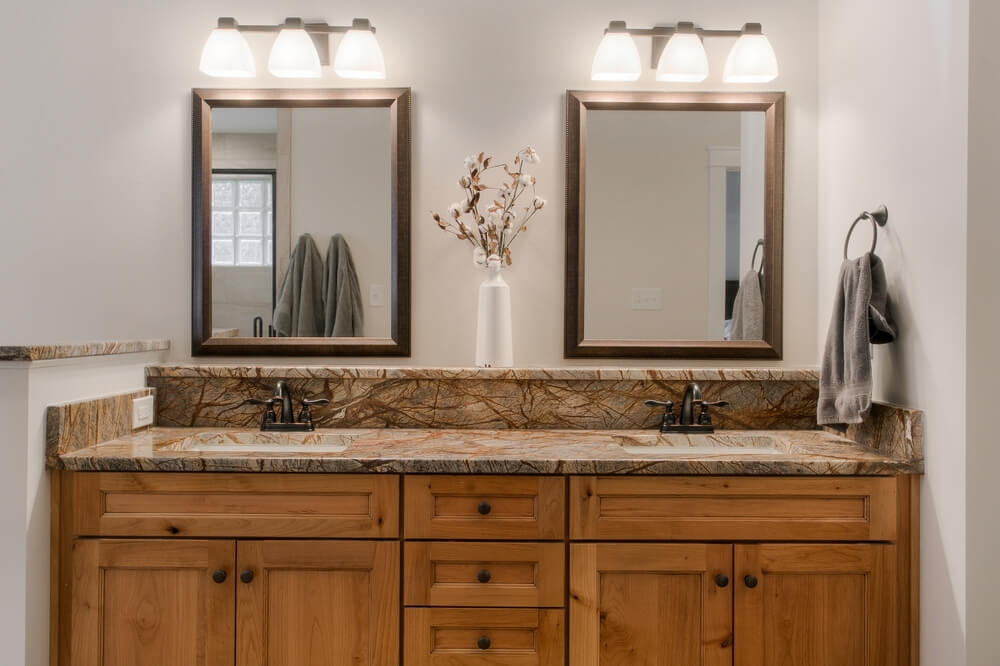
TKS Design Group helps homeowners bring older homes into their next chapter through a process that is personal, detailed, and genuinely streamlined. As an award-winning, family-owned design-build firm with more than two decades of experience, our team creates homes that feel cohesive, inviting, and completely custom.
From projects near Wrigley Field to older homes across Chicago, we guide each project from concept through contracting, including permits, build specifications, sourcing, furnishings, and installation. If you’re ready to reimagine your home while preserving everything that makes it special, we’d love to help!
Related Posts



No Comment
Leave a Comment
CHOOSE A LOCATION
4501 Tamiami Trail N, Ste 424
Naples, FL 34103
(239) 378-6599
contact@tksdesigngroup.com
522 Crescent Blvd
Glen Ellyn, IL 60137
(630) 858-4848
contact@tksdesigngroup.com
1040 Roscoe St.
Chicago, IL 60657
(630) 488-7481
contact@tksdesigngroup.com