
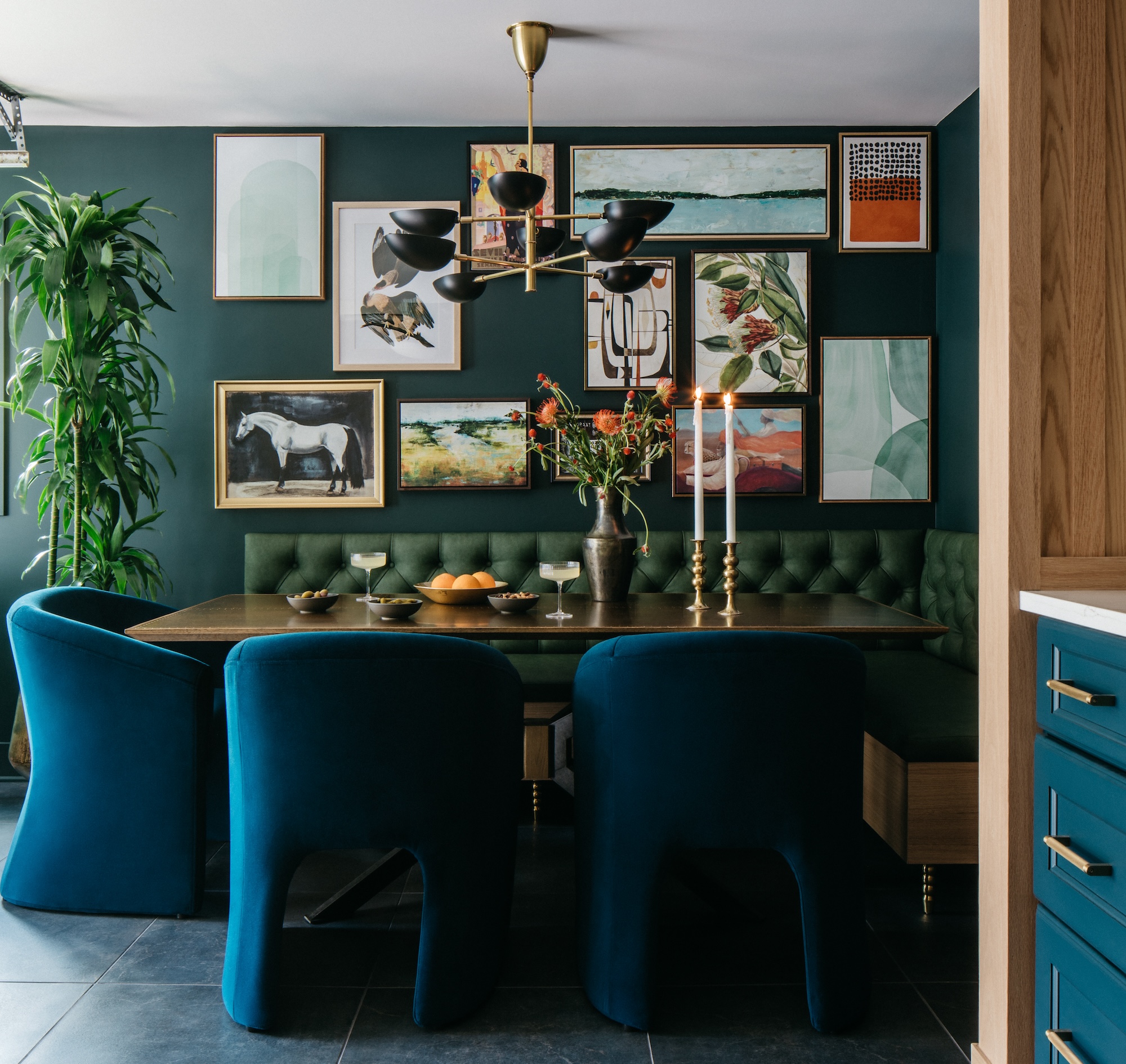
As a custom home design firm, it’s always music to our ears when a client wants to bring eclectic elements into their home.
In addition to helping people break away from trend cycling (more on that later), it’s a fast track to that cozy, layered, lived-in feel so many of us gravitate toward.
Eclectic design brings plenty of opportunities to think outside the box and mix materials and eras. A traditional cabinet, for example, can sit in harmony with a modern light fixture. You might pair geometric textiles with organic, natural elements, or explore endless possibilities for gallery walls.
The thing is, most homeowners don’t struggle with identifying what they like. They struggle with putting those things together in a way that makes visual and functional sense. Eclectic design gives you the flexibility to mix what you already have with what you want to bring in next. It allows personal pieces, older items, and new purchases to sit together without feeling forced.
Sounds great, right? It is—but take caution. If you’re not careful, this all-embracing aesthetic can veer into “thrift store explosion” territory. In this article, we’ll go over common mistakes and pitfalls when it comes to eclectic interior design, and how we approach it.
Eclectic vs. Messy: Defining the Difference
There’s a thin line between curated, eccentric, and just plain messy. In our experience, the latter usually comes down to poor editing.
If you don’t cull items that are overwhelming a space or not contributing visually, you end up with clutter. You can tell when things have gone off track when objects don’t relate in size, color, or material. Large pieces sit next to very small ones with no hierarchy. Finishes clash. Nothing connects, so everything competes.
Below is a quick cheat sheet of dos and don’ts to keep in mind. We recommend checking it against your eclectic design plans before you fully commit, so you don’t have to backtrack later.
Do:
- Keep proportions consistent so pieces relate to each other
- Repeat materials or finishes so the room has a throughline
- Use built-ins or shelving to organize what’s on display
- Group items so they read as a collection instead of scattered objects
Don’t:
- Fill every surface just because you have empty space
- Introduce a new finish for every piece
- Keep items that don’t work just because you already happen to have them
If you can’t explain how something contributes to the overall look of the room, that’s usually your first clue it shouldn’t make the final cut.
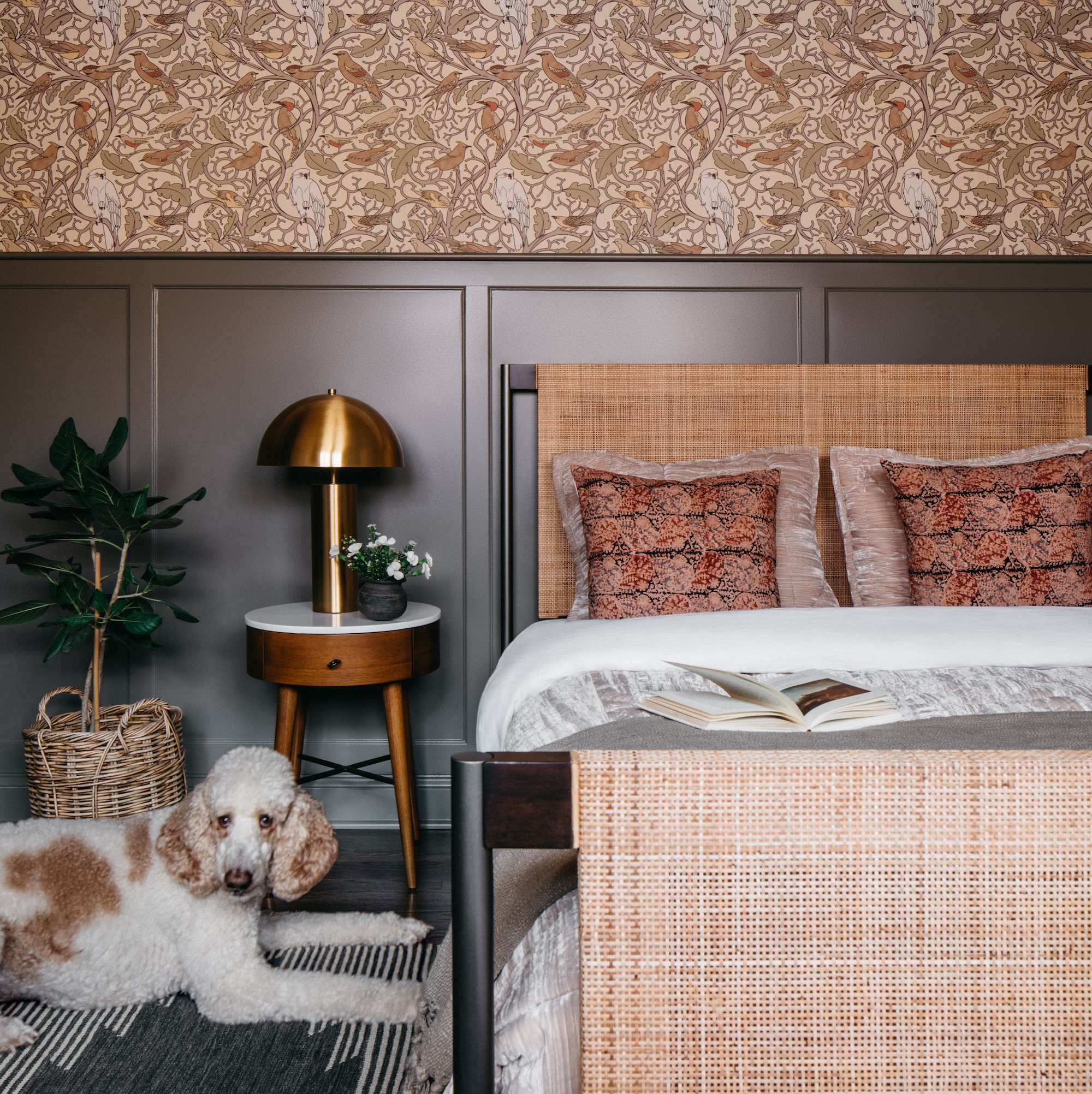
It’s Okay to Start from Scratch
If you don’t happen to have a curated collection ready to become an eclectic statement-maker, don’t worry. It doesn’t take a lifetime of heirlooms to achieve this look.
Start with structure. Lock in a palette. Choose a few materials and repeat them. Then add pieces that introduce contrast in a more controlled way.
Vintage and antique items are frequent fliers in the eclectic aesthetic because they bring variation in shape and finish, but they’re not required. New pieces can do the same job—just avoid buying everything from the same line or brand. Matchy-matchy is the opposite of what we’re going for here.
At the end of the day, what matters is that the mix of decor and materials feels intentional. This is where a lot of people get stuck. They either buy too many statement pieces or play it too safe and end up with something flat. The balance comes from layering slowly and editing as you go.
Where Custom Design Makes the Difference
Eclectic style and custom architectural elements are a match made in design heaven. Built-ins, plaster niches, and shelving give collections a place to live, allowing personal pieces to be displayed in a way that feels completely intentional. Tailored cabinetry that mixes open and closed storage is another recipe for curated perfection, because it shows off your curios without tipping into clutter.
Architectural details like archways, moldings, and paneling have a way of uniting a space structurally and grounding varying styles so things don’t feel scattered. Well-placed statement pieces matter too. A sculptural console or a strong light fixture can anchor the room so smaller items don’t compete for attention.
Materials do a lot of the work here as well. When wood, stone, plaster, or metal show up more than once, the room reads as connected, even if the furnishings come from different eras or aesthetics.
These are the decisions that separate a collected space from one that feels random. The mix can be varied, but the thought behind it needs to be clear.

Creating a Home That Tells Your Story
When a space aligns with your personality and values, it creates a sense of comfort, confidence, and belonging you feel every day. It doesn’t just look good—it feels right to your nervous system.
Too often, people settle for pieces that “almost work.” The room looks fine, but it ends up feeling slightly off or disconnected. When you start curating around what genuinely resonates—your colors, your patterns, your pieces—the space comes together in a way that feels natural and complete.
At the end of the day, we don’t live in museums. Most people want a lived-in, personal feel, and that’s why eclectic design works. It gives you room to bring in what actually means something to you instead of forcing everything into a single look.
You’re simply too dynamic to be boxed in—and so is your home.
If you’re looking for an interior designer in Wheaton, Glen Ellyn, or the greater Chicago area to help you create a truly personalized space, just drop us a line. We’d love to help.

Related Posts

No Comment
Leave a Comment
CHOOSE A LOCATION
4501 Tamiami Trail N, Ste 424
Naples, FL 34103
(239) 378-6599
contact@tksdesigngroup.com
522 Crescent Blvd
Glen Ellyn, IL 60137
(630) 858-4848
contact@tksdesigngroup.com
1040 Roscoe St.
Chicago, IL 60657
(630) 488-7481
contact@tksdesigngroup.com