
If you’ve been researching the benefits of design-build, you’ve probably noticed a pattern.
Many firms lead with construction. Design becomes a prelude to the apparently more important construction phase.
That construction-first mindset often shapes the entire process. The project is sold, the contract is signed, and only then does the design phase begin. A designer may step in to produce drawings and help with selections, but the goal is usually to get the project ready to build, not to fully develop a cohesive plan for how the home will live and feel.
We take a different approach by leading with design.
And because we’re experts in design and construction, your project won’t be limited by a contractor’s default playbook. On the flip side, we never propose pie-in-the-sky designs that blow the budget once they’re priced. Instead, you get a perfect balance of aesthetic vision and practical know-how.
In this article, I’ll walk through how design-build works and why a design-first approach makes so much sense for custom home builds and remodels. Honestly, it’s the only way to go, and once homeowners have all the details, they tend to agree.
Let’s dive in.
What Does “Design-Build” Actually Mean?
In plain English, design-build means you hire one team to handle both the creative and the construction sides of your project.
Instead of juggling a designer and a contractor who operate independently, you’re working with a unified team responsible for the entire experience. Vision and execution are connected from the start, with one roadmap, one schedule, and one go-to contact.
The difference is important to consider, especially for homeowners in the market for a Glen Ellyn contractor. When you work with a pro who’s both a contractor and designer, the process feels very different.
But not all design-build firms approach the design phase the same way. For many firms, design is still treated like a chore that has to be done before getting to construction. Furnishings and spatial flow are often outside the scope of that process. In our opinion, that’s not the true spirit of design-build.
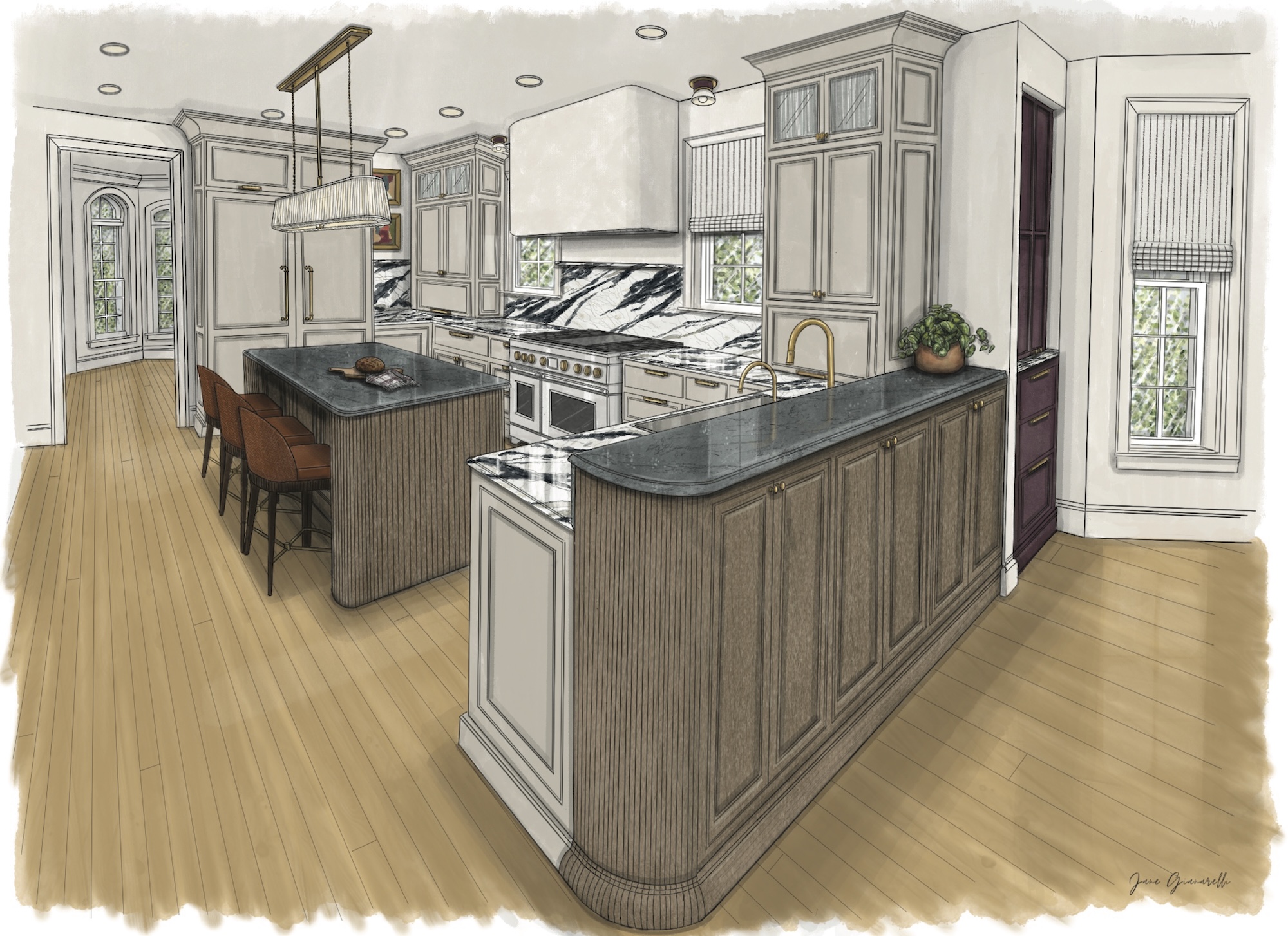
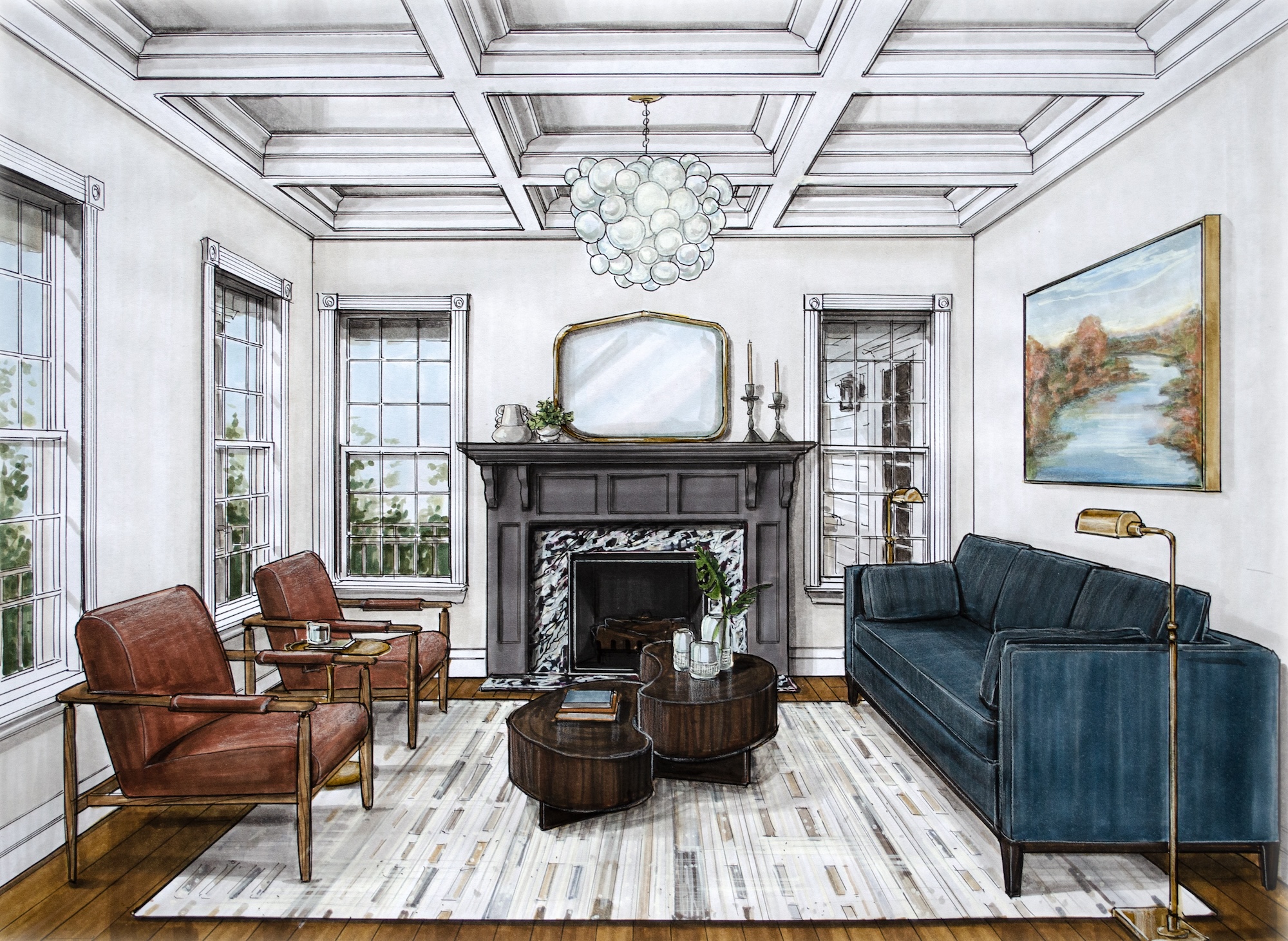
We treat design as the strategic heart of the project, where we thoughtfully resolve the architecture, layout, materials, and interior environment before construction begins. That means we’re thinking about everything from cabinet configurations to lighting layers to how the home will actually feel once furniture, decor, and artwork move in.

The Biggest Design-Build Myth
It’s easy to assume that spending more time in design will delay the build. In reality, skipping ahead is where the trouble starts.
When construction begins before layouts are finalized or selections are confirmed, decisions have to be made midstream. Maybe floorplans need revisions. Maybe plumbing needs to be rearranged. Either way, every adjustment carries added labor costs and creates a ripple effect on the overall timeline.
When the design is fully developed before construction starts, those issues get resolved on paper instead of in the field. That’s one of the biggest benefits of design-build, the build phase becomes execution instead of improvisation.
Another common misconception is that design-build limits creativity or sacrifices design quality for efficiency. Not so. In fact, when design leads the process, the opposite tends to happen.
Because our designers understand how homes are actually built, ideas can be explored with real-world feasibility in mind. Instead of great ideas being shut down because “we’ve never done that before,” they’re evaluated thoughtfully and engineered into the project when they make sense.

How Design-Build Protects Budget
Many over-budget projects I hear about are death-by-a-thousand-cuts situations. They’re the product of half-baked decisions, undefined layouts, and forgotten details that get ironed out on the fly. It all adds up.
When layouts are locked in, selections are specified, and technical drawings are complete before construction begins, there’s far less room for expensive surprises. The project moves forward with momentum instead of hesitation.
Here’s an example. Let’s say you finalize your kitchen cabinet plan and then later select appliances. If you’re not careful, there’s a decent chance your fridge won’t fit, and now you have to choose a new appliance or redo cabinetry. Yikes.
But when construction and design decisions are made in tandem, you avoid that situation altogether. You might even uncover opportunities to incorporate thoughtful upgrades, like a built-in warming oven or a second integrated fridge column for drinks.

Communication Is Everything
One of the biggest design-build benefits for homeowners is streamlined communication.
You could have a slew of people calling you daily with conflicting information and requests. Or you could bring everyone under one project manager. Talk about a no-brainer.
With design-build, design and construction stay aligned on scope, selections, and sequencing. A dedicated project manager oversees day-to-day activity on site, coordinates trades, and addresses issues as they arise. That oversight keeps the project from drifting off course.
Just as importantly, the design intent doesn’t get lost during construction. Because the design team and construction team operate together, decisions are made collaboratively and with full context.
Homeowners aren’t stuck relaying messages between separate firms. Adjustments are discussed internally, and solutions are coordinated before they ever reach you.
For busy homeowners, that’s the difference between painful and doable.

Red Flags to Watch For
If you’re vetting a Glen Ellyn contractor, make sure you understand their approach. Is it construction-first with design as an afterthought, or are both aspects truly integrated? If the first conversation focuses primarily on construction pricing before design is discussed in depth, pause. If design is treated as a quick set of drawings rather than a structured phase with detailed specifications, that’s another signal.
And if there’s no defined project management structure during construction, expect communication gaps and wishy-washiness along the way.
Here are a few questions I always recommend asking:
- How does your design phase work, and how are decisions finalized before construction begins?
- Who will manage the project day-to-day, and how often will they be on site?
- How do you handle trades, scheduling, and quality control throughout the build?
- What level of customization is available, and how are material and finish selections handled?
- How do you communicate changes, challenges, or updates to the homeowner?
At the End of the Day
If you start construction before design is complete, you’re building in the unknown.
Without a fully resolved design, every decision made during construction becomes reactive instead of intentional. Layouts may need to be redrawn. Finishes get swapped midstream. Budgets shift. Timelines stretch.
Design-first ensures clarity, confidence, and a finished space that looks exactly as envisioned. That’s why we recommend this approach to clients who want a truly custom, considered result.
If you’re ready to take the next step, and tired of researching Glen Ellyn contractors, drop us a line. We’d love to talk through the possibilities for your space.
Related Posts



No Comment
Leave a Comment
CHOOSE A LOCATION
4501 Tamiami Trail N, Ste 424
Naples, FL 34103
(239) 378-6599
contact@tksdesigngroup.com
522 Crescent Blvd
Glen Ellyn, IL 60137
(630) 858-4848
contact@tksdesigngroup.com
1040 Roscoe St.
Chicago, IL 60657
(630) 488-7481
contact@tksdesigngroup.com