
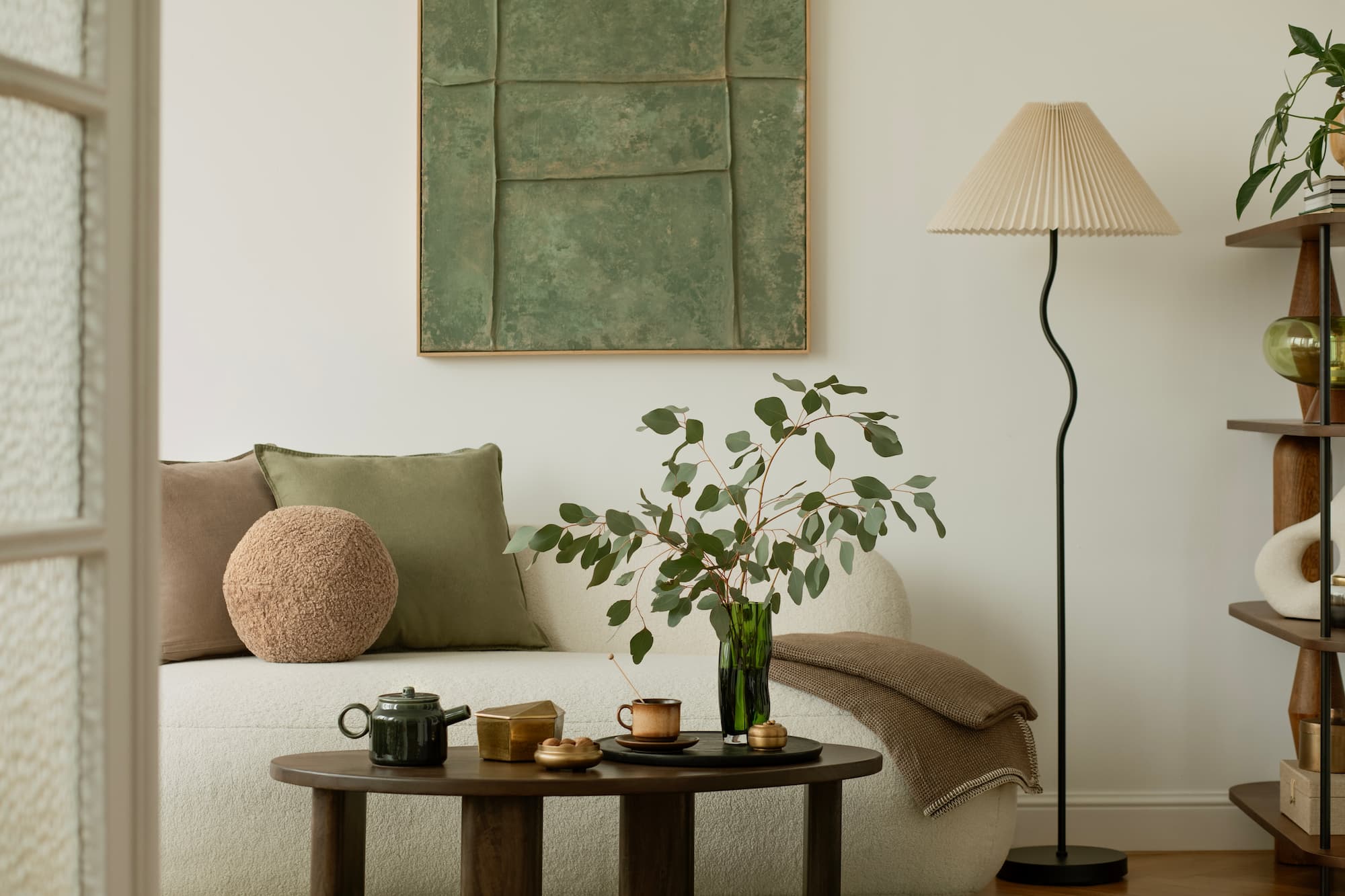
You’ve spotted the perfect fabric in a magazine spread, tracked down the maker, and hit a wall. The website shows no prices and no checkout, only a short note that its products are available “to the trade.” It’s a frustrating moment, and a common one, because plenty of the most distinctive furniture and textiles never sit on a retail floor.
That hidden side of the market is a big part of what you get with home decor services in the Western Suburbs, though few people explain how it actually works. Below, we’re breaking down what trade sourcing means and what your options are if you’d like access to it. Keep reading to learn more!
What does “to the trade” mean in home decor?
“To the trade” means a product is sold only to design professionals, like interior designers and and custom home builders, and not directly to the public. The label shows up on everything from upholstered seating to wallpaper, and it usually comes with trade pricing below the published retail price.
How that difference reaches the client depends on the firm, since some designers pass part of it along while others account for it in their fees.
What usually falls into the trade category
These are a few of the categories where designers most often find what retail can’t offer:
- Fabrics and wallcoverings: Specialty textile houses produce small-scale prints and natural-fiber weaves you rarely see in big-box stores.
- Custom upholstery: Many frames can be ordered in the size and fabric you choose, including COM, or “customer’s own material,” which is shipped to the manufacturer for the build.
- Lighting and hardware: Handcrafted fixtures and pulls in finishes like antique brass often come from smaller studios that work primarily with designers.
- Vintage and antique pieces: Some dealers run trade programs, which helps when you’re building a room around a cherished heirloom and want companions with a similar patina.
Why makers keep it that way
Much of the reason is practical. Trade products are often made to order, and getting them right takes precise measurements and yardage math most shoppers never have to work through. A sofa with the wrong seat depth usually can’t be sent back once production starts, so manufacturers prefer orders that arrive already measured and specified by a professional.
What is a trade-only supplier?
A trade-only supplier is a manufacturer or showroom that sells exclusively to design businesses through approved accounts. Before opening one, these companies typically verify that the buyer is a working professional, often by asking for business registration details or a resale certificate. That document comes up because a firm buying furnishings to bill to clients is generally purchasing them for resale, and Illinois rules for resale certificates spell out what the paperwork has to include.
Ordering through an account looks very different from retail shopping. Each order carries a sidemark, usually the client’s name, so every piece can be tracked through production and freight. Designers can also request a cutting for approval before fabric is cut, since color can shift slightly between dye lots.
These suppliers differ from the trade programs many retail brands now run, which discount items anyone can buy online. A trade-only line has no public checkout at all.
Can you buy trade-only furniture without a designer?
Usually not directly. Most trade-only vendors process orders only from approved accounts, so a homeowner who calls the showroom is typically pointed toward a designer. A few partial routes exist, though each comes with trade-offs.
Common workarounds and their limits

- Ask the showroom for a referral. Many can connect you with local designers who may place an order on your behalf.
- Hire a designer for a defined scope. Some firms take on a single room or furnishings plan, though many set minimum budgets.
- Look at upper-tier retail lines. Some retail brands offer custom upholstery and better materials in their higher-end collections.
- Be cautious with resale sites. Trade pieces sometimes appear secondhand, but you may get an older dye lot with no warranty and no help from the manufacturer if something arrives damaged.
Why the designer’s role goes past access
Custom orders involve decisions that are hard to undo, such as seat height or the direction a pattern runs. A designer who knows the vendors can tell you which frames run deep and how a finish reads in person compared with a photo.
That knowledge matters when you’re choosing pieces that quietly support aging in place, where a slightly taller seat or firmer cushion makes standing up easier without changing the look of the room. Lead times are part of the job too, since custom upholstery often takes longer than retail delivery.
Who provides tasteful home decor services in the Western Suburbs?
We do, here at TKS Design Group, and every room we furnish starts with getting to know the people who’ll live in it. We’ll ask how you host, where you unwind, and even about everyday routines like where devices get charged. Then our award-winning team tracks down pieces you won’t find in stores and looks after every order until it’s installed.
Found a trade-only fabric you can’t stop thinking about? Book a time at our Glen Ellyn showroom near The Morton Arboretum and bring a photo. We’d love to see it.
Related Posts



No Comment
Leave a Comment
CHOOSE A LOCATION
4501 Tamiami Trail N, Ste 424
Naples, FL 34103
(239) 378-6599
contact@tksdesigngroup.com
522 Crescent Blvd
Glen Ellyn, IL 60137
(630) 858-4848
contact@tksdesigngroup.com
1040 Roscoe St.
Chicago, IL 60657
(630) 488-7481
contact@tksdesigngroup.com